The complexity of Riesling
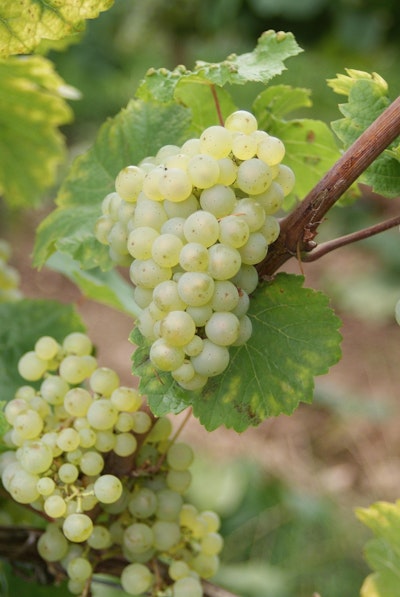
Riesling is among the most precise and most versatile grape varieties in the world. And perhaps that is precisely its greatest challenge.
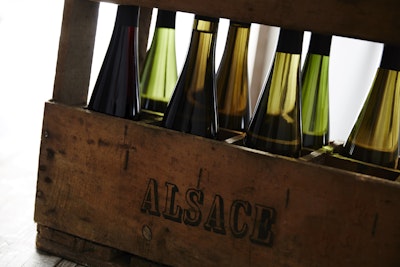
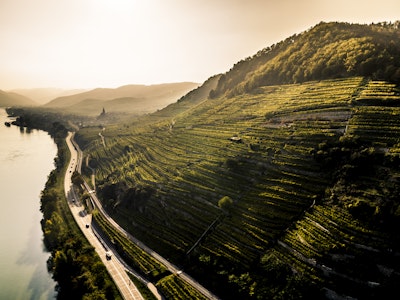
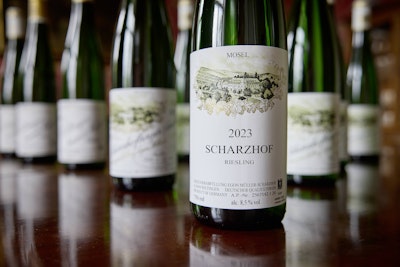
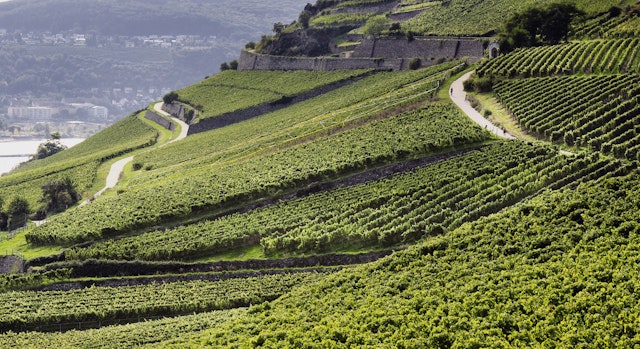
No other white variety is able to render origin as clearly and as differentiatedly. Soils, climate, exposure, and vintage shape Riesling often more directly than any cellar technique. For many, this is precisely where its stature lies, and at the same time its complexity. Riesling does not fit into simple categories. The variety moves naturally between dry and noble sweet, between lightness and depth, between early accessibility and decades of ageing potential. At the same time, no single style exists today. Germany, Austria, and Alsace stand for developed, independent traditions, while regions such as Australia or the United States have developed their own interpretations.
What emerges is not a clearly defined style, but a spectrum. Riesling can no longer be defined through a region or an élevage, but through its capacity to render origin and vintage visible in the most varied forms. Precisely in this lies a central challenge: how does one communicate a variety whose greatest strength is its multi-layered nature? While other categories often work through clear stylistic images, Riesling demands attention and context. The variety rewards curiosity, but also requires it.
There is also the fact that great Rieslings often show their full quality only over time. With maturity, they gain depth, composure, and complexity without losing their precision. This capacity makes Riesling distinctive, but at the same time it stands in contrast to a market that is increasingly oriented towards immediate accessibility and quick decisions.
Climatic changes also influence the great regions of the variety perceptibly. Vegetation cycles are shifting, styles are changing, alcohol levels are rising in some places, while at the same time freshness, balance, and precision are being sought. The question is not whether Riesling is changing, but how.
We have decided to place a focus on Riesling because few other varieties currently raise so many compelling questions. How is Riesling developing stylistically? What role do mature wines play in restaurants today? How does the variety reach new consumers without losing its identity?
To do justice to this rich focus topic, we have invited numerous Riesling specialists and leading winemakers to Weinberg Arlberg:
EXPERTS & WINEMAKERS
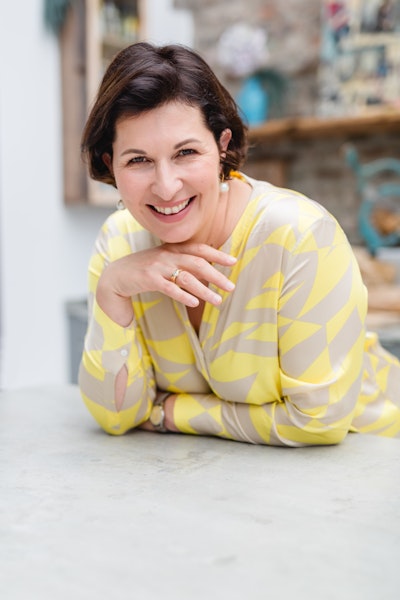
Romana Echensperger, MW →
MW & Chief Editor Wine Germany Falstaff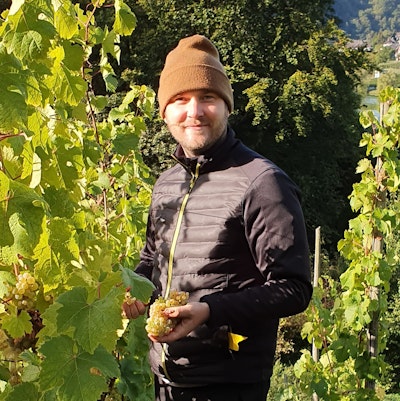
Julian Haart →
Rising Star from the Mosel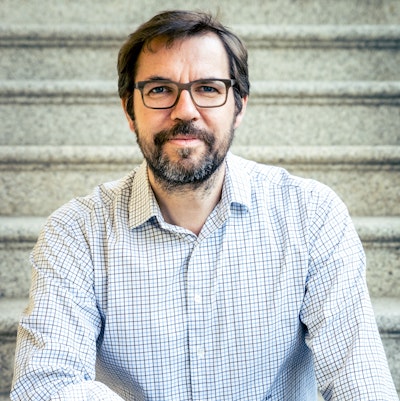
Emmerich Knoll →
Winemaker & Chairman of Vinea Wachau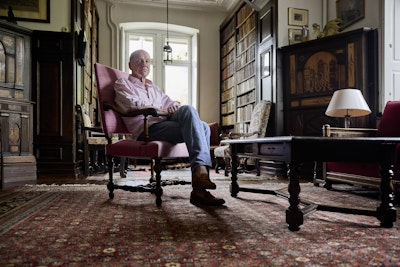
Egon Müller, IV. →
Legendary Riesing Winemaker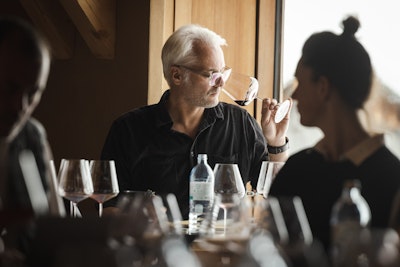
Stephan Reinhardt →
Wine Critic & German-Speaking Wine Regions Expert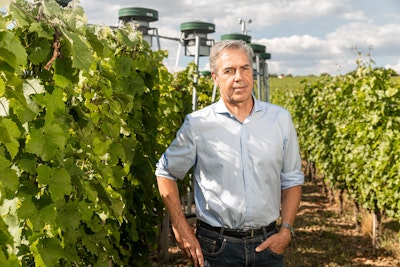
Prof Dr. Hans Reiner Schultz →
Viticulture Scientist & University President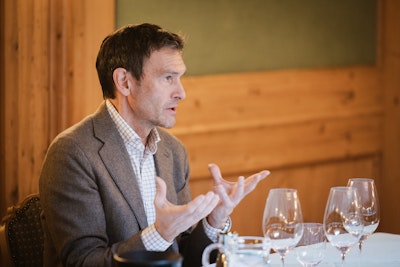
Sascha Speicher →
Editor-in-Chief & France Expert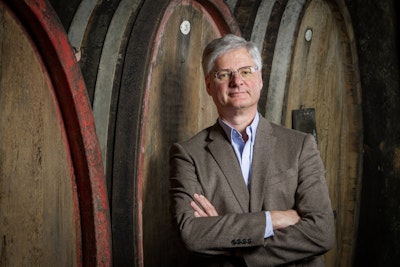
Jean Trimbach →
Alsace Ambassador & Family Entrepreneur